Building a balanced plate without turning dinner into a formula
A practical look at variety, satisfaction and flexible portions.
Start with the shape of the meal
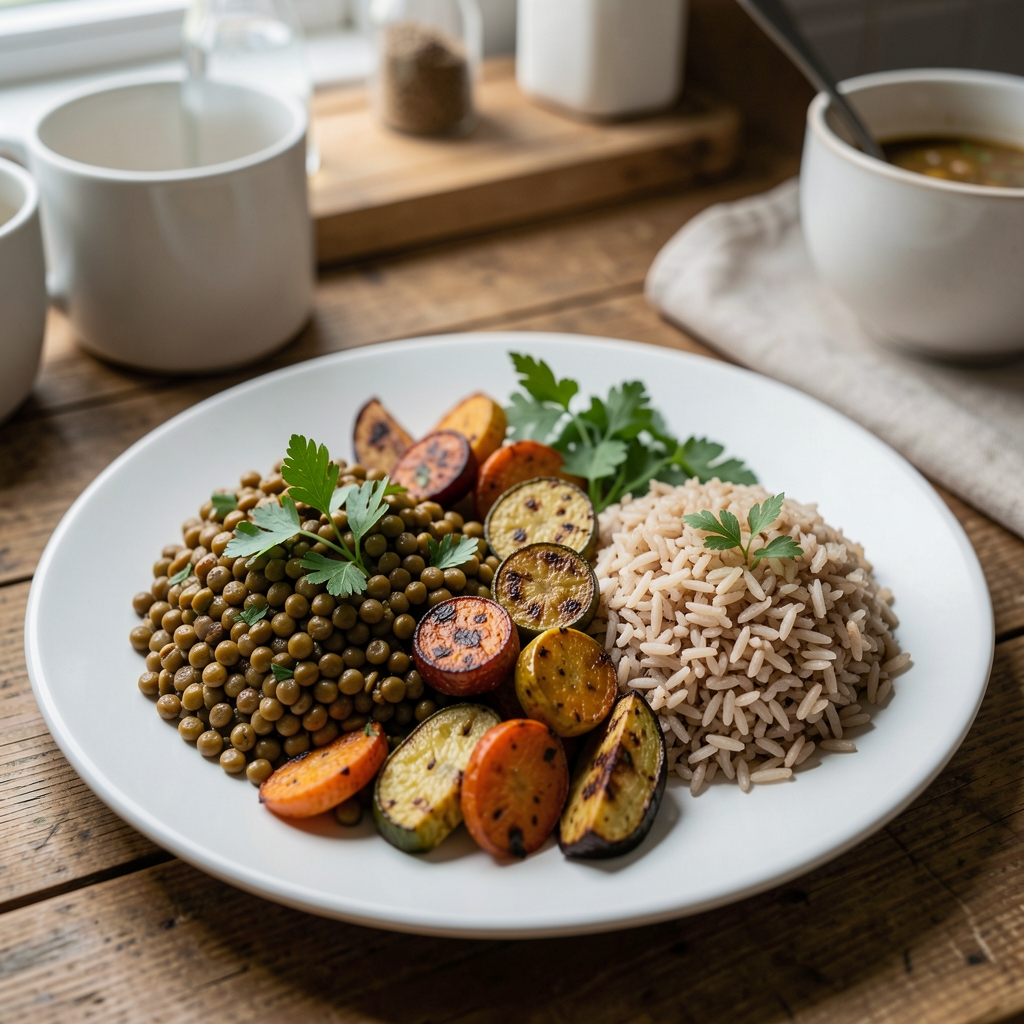
A balanced plate is a visual prompt rather than a strict measurement. Many people find it helpful to include a generous portion of vegetables or salad, a source of protein, and a starchy food such as potatoes, oats, rice or bread. A little oil, seeds, cheese or avocado may add flavour and help the meal feel complete. The useful question is whether the combination is satisfying and varied over time.
Why variety matters
Different foods contribute different nutrients, textures and cultural meaning. Rotating beans, eggs, fish, poultry and yoghurt can make protein choices more interesting. Seasonal vegetables also offer a way to change colour and flavour without relying on complicated recipes. This approach is compatible with many eating patterns and can be adjusted for allergies, budget and medical advice.
| Plate area | Examples | Helpful question |
|---|---|---|
| Plants | Leafy greens, carrots, peppers, peas | What colour can I add? |
| Protein | Lentils, fish, eggs, beans | What will make this satisfying? |
| Starchy food | Oats, potatoes, wholegrain bread | What fits the meal and my appetite? |
A note on personal care
General plate guidance cannot account for every condition or medication. If you have diabetes, kidney disease, digestive symptoms or a prescribed diet, discuss changes with your GP or dietitian.
Make the idea workable
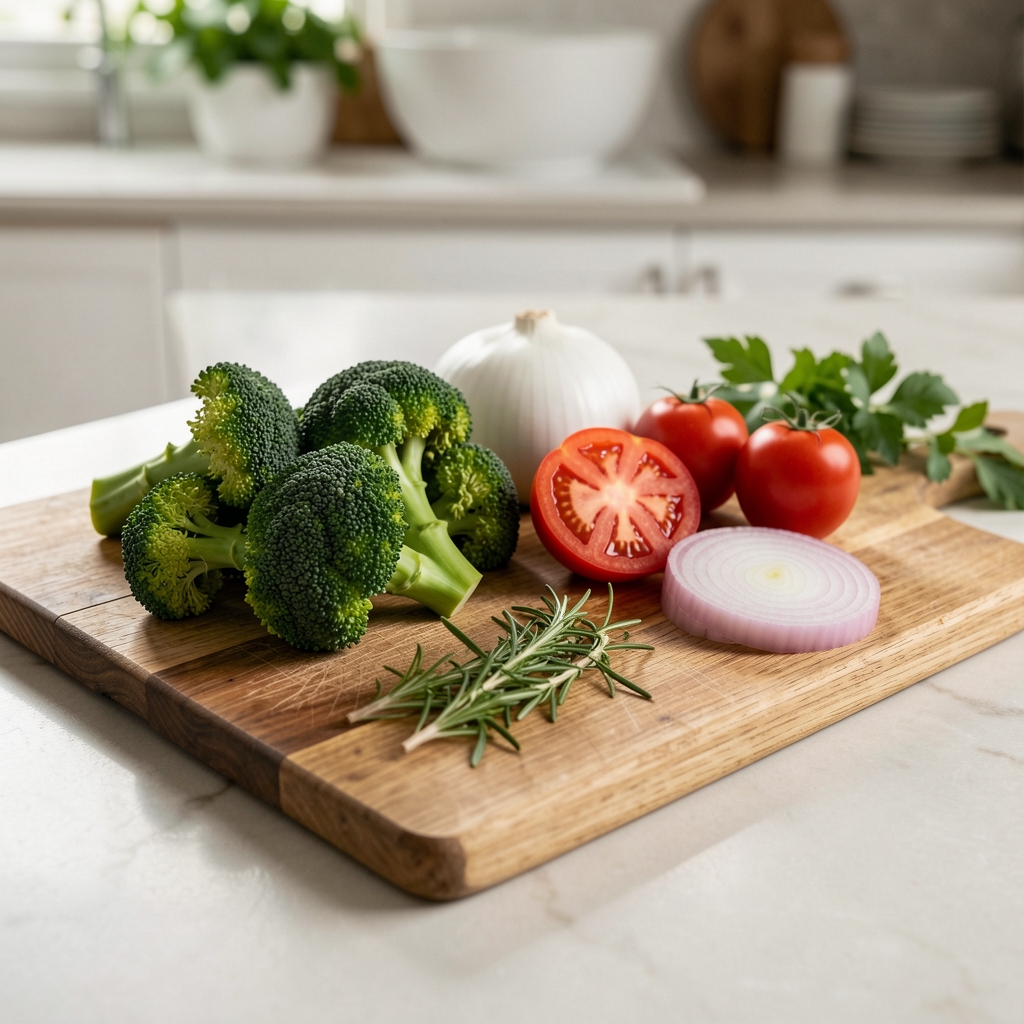
Keep washed salad leaves visible, cook a batch of grains when convenient, and use frozen vegetables when they reduce waste. A meal does not need to look perfect to be nourishing. Small repeatable choices often have more practical value than an ambitious plan that depends on a free evening every day.
Consistency is easier when the meal has room for real life.
A flexible meal framework
The balanced plate is a visual way to think about variety, not a fixed formula or a requirement that every meal look identical. It can help a reader notice whether a meal includes vegetables or fruit, a source of protein, a fibre-rich carbohydrate and a suitable drink. Cultural foods, budgets, allergies and household preferences all belong in the conversation.
A meal can be simple and still varied. Soup with beans and vegetables, oats with fruit and yoghurt, or a tray of vegetables with fish or pulses may each be understood through the same broad questions without needing identical ingredients.
| Plate question | Possible examples | Practical consideration |
|---|---|---|
| What adds colour and fibre? | Vegetables, fruit, beans or wholegrains | Fresh, frozen and tinned options can differ in cost and convenience |
| What makes it satisfying? | Beans, eggs, fish, yoghurt or other familiar foods | Preferences and dietary requirements matter |
| What completes the meal? | Water, herbs, a sauce or a modest fat source | Flavour and enjoyment support repeatable cooking |
- Think across a day or week rather than one plate.
- Use ingredients that are available and culturally familiar.
- Adapt recipes for allergies with appropriate care.
From rigid rules to useful questions
- Instead of asking whether a meal is perfect, ask what it already includes.
- Instead of removing a food automatically, ask what role it plays.
- Instead of comparing yourself with a sample menu, consider your own schedule.
- Instead of chasing a result, build food knowledge gradually.
“A balanced plate is most useful when it makes a meal easier to understand, not when it creates another rule to follow.”
This flexible approach leaves room for shared meals, leftovers, celebrations and days when cooking is not practical.
Plate questions
Does every meal need every food group?
No. Variety can be considered across the day or week.
Can the framework suit vegetarian meals?
It can be adapted using familiar plant-based sources and appropriate dietary knowledge.
What if I have a medical or dietary restriction?
Use advice from a qualified professional who understands your circumstances.
Using the framework at home
Try the framework while planning a familiar meal, then ask what can be prepared ahead, stored safely and shared with the household. A plate framework should remain flexible enough for leftovers, changing appetite, cultural dishes and days when convenience matters.
- Plan one adaptable meal rather than a perfect week.
- Use frozen, tinned or fresh ingredients according to context.
- Ask for appropriate advice when dietary safety is involved.