Food foundations
Learn how fibre, protein, fats, hydration and variety fit into a sustainable pattern.
Open guideUse these calm, non-prescriptive starting points to organise questions and conversations.
Learn how fibre, protein, fats, hydration and variety fit into a sustainable pattern.
Open guidePrepare notes for a GP appointment and distinguish general reading from personal care.
Open guideConsider sleep, movement and regular meals as connected parts of daily wellbeing.
Open guide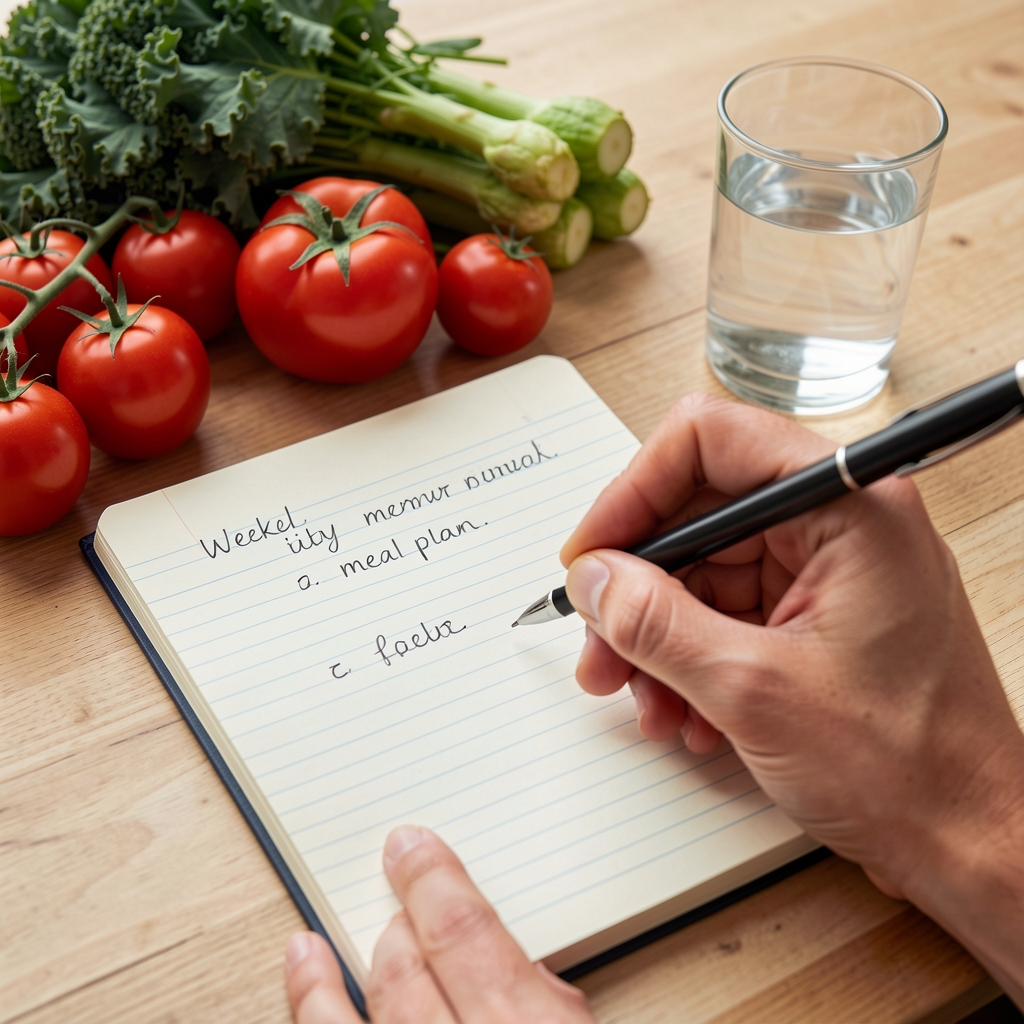
Every body and circumstance is different. The pages in this collection help readers ask more useful questions, not reach a conclusion from a checklist.
Read common questionsYarrow guides are designed as calm starting points for readers who want to understand a topic before deciding what questions to take further. They are not diagnostic tools and do not replace personal advice. Read one guide slowly, note what is relevant to your circumstances, and leave aside anything that does not fit.
| Guide area | Useful starting question | Related page |
|---|---|---|
| Food foundations | How can meals include more variety? | Food literacy |
| Health conversations | Which details should I record before an appointment? | Evidence |
| Routine and energy | Which daily pattern feels practical? | Vitality |
“A useful guide creates better questions; it does not turn a general description into a personal conclusion.”
Research findings describe groups and patterns, while individual circumstances include history, preferences, access, culture and professional advice. Keep those differences visible as you read.
No. They provide general information and are written for an adult UK readership.
Yes, although food literacy and evidence provide useful context for the more focused pages.
Follow the advice of your qualified professional and use the page as a prompt for clarification.
Write down the source, date and question that brought you to the page. This makes it easier to distinguish a general explanation from a personal decision and helps a later conversation stay focused. Notes can include what was useful, what was unclear and which subject deserves a more careful source review.