Food literacy begins with ordinary ingredients
Understanding labels, storage and preparation can make healthy choices feel more available.
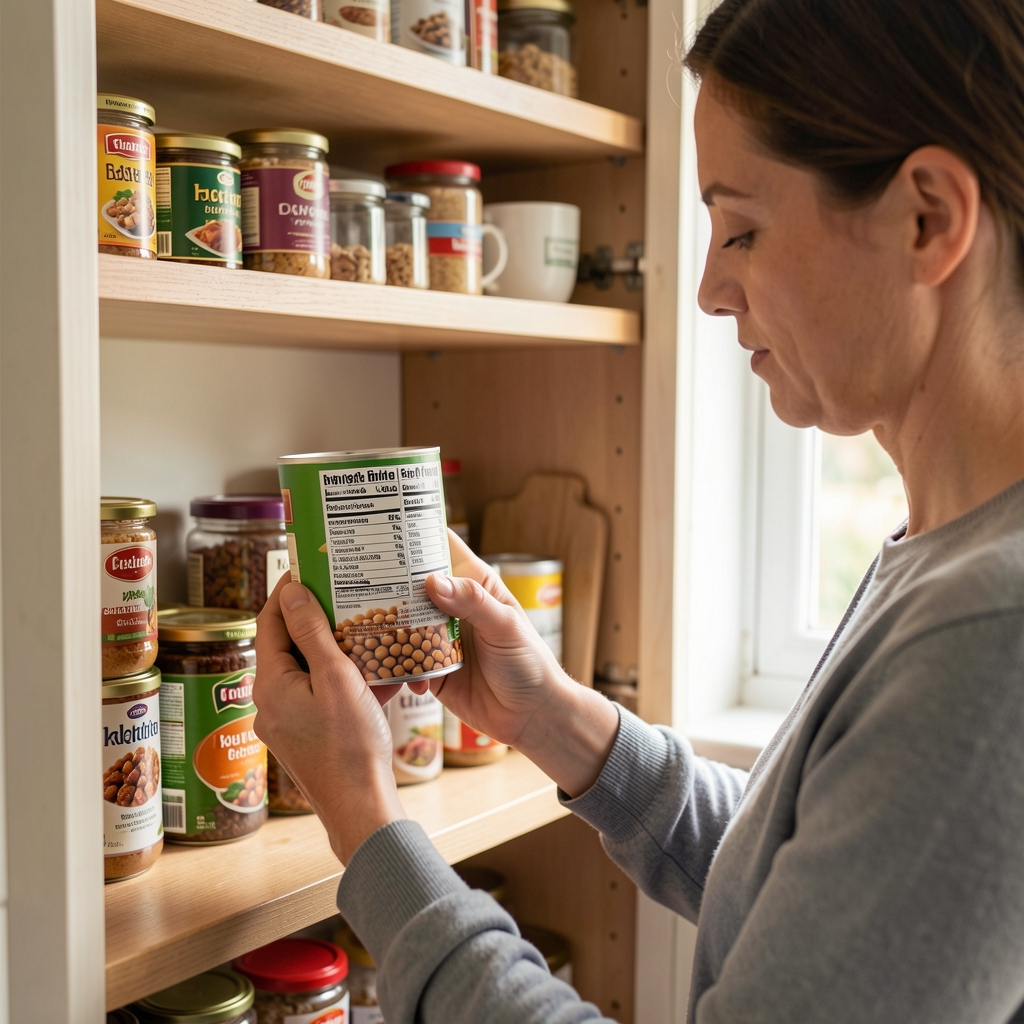
Labels are a source of context
Nutrition labels can help compare similar products, but they do not describe the whole quality of a meal. Check serving sizes, fibre, salt and saturated fat, then consider what else will be served. Ingredients lists can also help people identify allergens and choose foods that suit their preferences.
Cooking changes the decision space
Frozen vegetables, tinned pulses and simple herbs can be valuable staples. Batch cooking is useful when it genuinely saves time, while a quick sandwich with salad may be the more realistic choice on a busy day. Food literacy is about options, not culinary performance.
| Staple | Simple use |
|---|---|
| Oats | Breakfast with fruit and yoghurt |
| Beans | Soup, salad or tomato stew |
| Frozen vegetables | Quick addition to rice or pasta |
People managing a medical condition should use the advice of their healthcare team when interpreting labels.
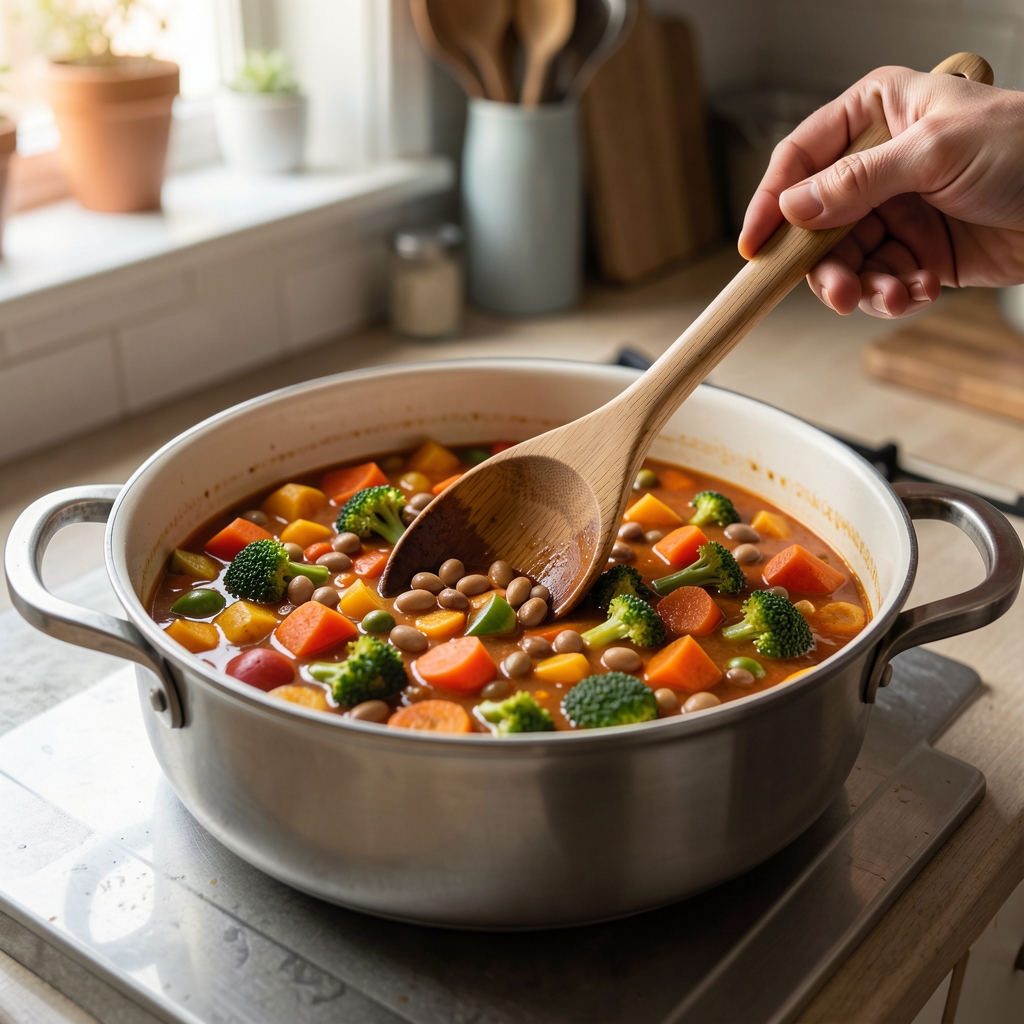
Confidence grows when the next meal has more than one workable route.
Keep the kitchen kind
Use familiar tools, keep safe storage in mind and allow meals to be imperfect. A sustainable pattern is one that respects energy, time, money and enjoyment.
A toolkit for the weekly shop
Food literacy is the ability to understand options, compare information and make decisions that fit a real household. It is not a test of willpower or a demand for complicated cooking. Small pieces of knowledge can make labels, recipes and substitutions easier to discuss.
Start with the foods already used at home. A familiar recipe can often be understood more clearly by identifying its main ingredients, the role each ingredient plays and what could be varied without losing the character of the dish.
| Reading task | What to look for | Practical question |
|---|---|---|
| Ingredient list | Order and number of ingredients | What is central to this product? |
| Portion information | Serving description and household use | Does the stated portion match my context? |
| Recipe planning | Variety, storage and preparation time | Can this be made on an ordinary day? |
- Compare like with like rather than relying on a single headline.
- Consider cost, access, culture and cooking equipment.
- Use reliable public guidance when a label is unclear.
Key terms in plain language
- Fibre
- A group of plant components found in foods such as beans, vegetables, fruit and wholegrains.
- Variety
- A pattern that includes different foods, colours, textures and sources over time.
- Portion
- The amount served or eaten in a particular setting, which is not always the same as a label serving.
“Confidence at the shelf comes from knowing what question to ask, not from memorising every number.”
- Read the label in full context.
- Compare with a familiar alternative.
- Choose what suits the household and occasion.
Food literacy questions
Do I need specialist knowledge?
No. Start with ingredients, preparation and the purpose of the meal.
Are labels always easy to compare?
No. Serving sizes and product categories can differ, so comparison needs care.
Can recipes be adapted?
Often, although allergies and specific dietary needs require appropriate advice.
Practice in the kitchen
Food knowledge grows through ordinary actions: comparing two labels, preparing a familiar ingredient in a different way, planning leftovers or asking why a recipe uses a particular component. These are learning activities, not tests, and they can be adapted to the time and resources available.
- Choose one label or recipe to examine.
- Write down one term you want to understand.
- Use reliable sources when a question affects dietary safety.