Nutrition and prostate health: what the wider pattern can tell us
Food is one influence among many, and symptoms need qualified assessment.
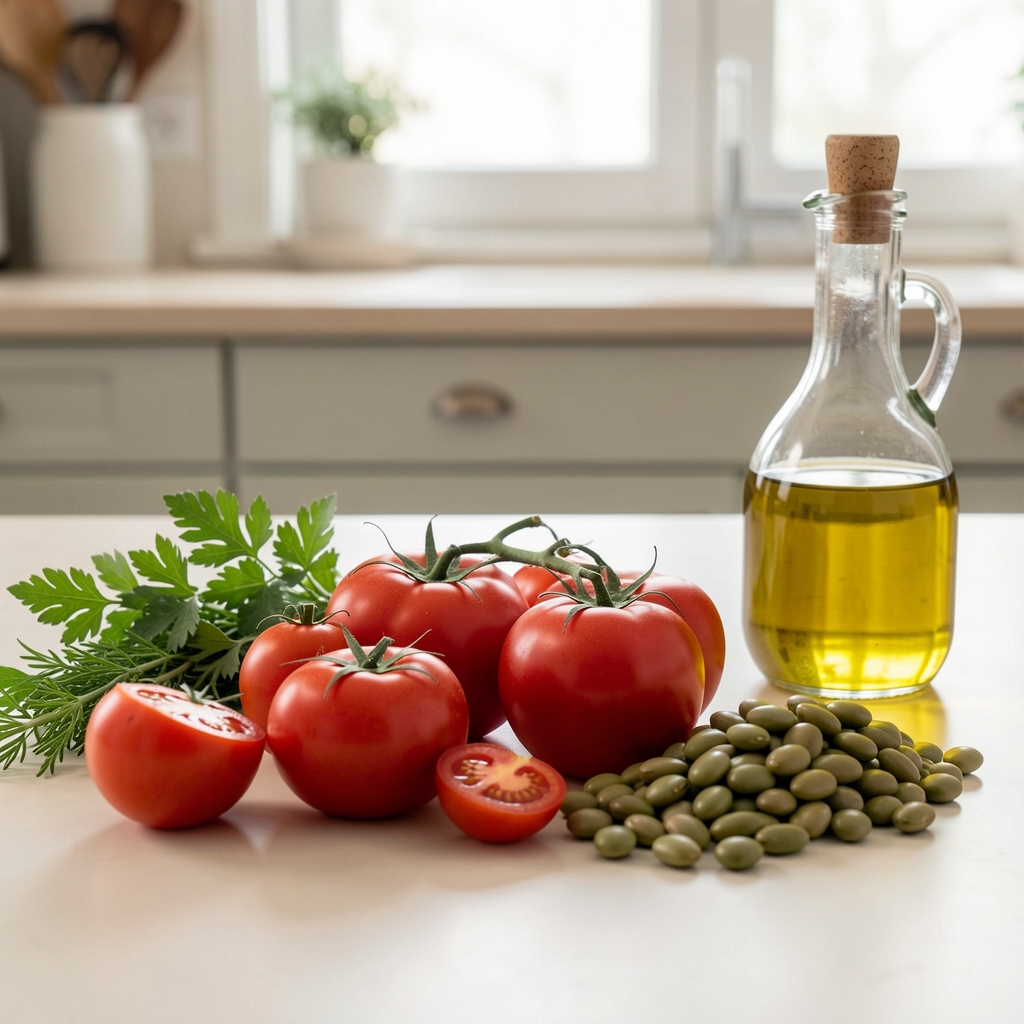
Keep the focus on patterns
Research into diet and prostate health is complex. Dietary patterns, age, family history, activity, alcohol and smoking can overlap, making simple promises inappropriate. A varied pattern rich in plant foods can support general nutrition, but it should not be presented as a treatment or substitute for medical care.
Questions for a GP
Urinary changes, pain, blood in urine or semen, unexplained weight loss and persistent concerns deserve a medical conversation. Write down when symptoms began, what changes you notice and any medicines you take. A clinician can decide whether examination or testing is appropriate.
| Topic | Responsible framing |
|---|---|
| Plants | Useful for variety and fibre, not a guarantee. |
| Supplements | Discuss interactions and evidence first. |
| Symptoms | Seek assessment rather than self-diagnosing. |
Yarrow provides general education only. NHS 111 can advise when you are unsure where to seek help.

Responsible health writing leaves space for clinical judgement.
Next steps
Choose one ordinary meal to improve with more variety, then keep medical questions separate and take them to a qualified professional.
Reading the topic carefully
Nutrition and prostate wellbeing are discussed in many settings, but general information should not be mistaken for an assessment of an individual. Research may examine dietary patterns, nutrients, age groups or health records, and those differences affect what can reasonably be concluded. A useful article names its boundaries and avoids presenting one food as an answer to a complex question.
Readers can use this page to prepare questions about meals, routines, family history and sources of information. It is appropriate to speak with a GP or another qualified professional when symptoms, test results or personal concerns are involved.
| Question type | Useful context | Next step |
|---|---|---|
| General nutrition | Variety, fibre, fluids and meal patterns | Read food literacy resources |
| Personal concern | Symptoms, medicines and history | Use an appropriate professional service |
| Research question | Study design, population and limitations | Review the evidence guide |
- Separate population findings from personal conclusions.
- Record the source and date of an important claim.
- Do not delay urgent care while reading general material.
A measured perspective
“A food pattern can be part of a wider conversation about wellbeing, but it is not a replacement for personal assessment.”
Yarrow focuses on context, not promises. Articles may discuss vegetables, beans, wholegrains, unsaturated fats and hydration as parts of varied meals, while recognising that personal circumstances differ.
- Start with the question you actually have.
- Check whether the source supports the wording.
- Take personal concerns to a qualified professional.
Common questions
Does one ingredient determine prostate health?
No. Complex wellbeing questions cannot be reduced to one ingredient or routine.
Can Yarrow interpret symptoms?
No. Symptoms and test results require an appropriate professional assessment.
Where can I read more?
See the evidence, food literacy and vitality pages for related context.
Keeping the discussion practical
Practical food conversations can include shopping, cooking, hydration, shared meals and the limits of general information. None of these topics should be used to infer a diagnosis. Their value is in helping a reader describe a routine clearly and identify a sensible question for a professional discussion.
- Use familiar examples rather than idealised menus.
- Record concerns in your own words.
- Check current UK guidance when a question is time-sensitive.